 COME
COMETarget versus a tied score in a cricket chase
For an unrevised chase of a first-innings 160, the target is 161; reaching 160 only draws level.
Work through this situation
At 150, the chasing side needs 11 to reach 161. Saying ten to win confuses the first innings total with the target. Revised matches require the official displayed target instead.
What to check and why
Write down the target explicitly before subtracting the current score. In the example, 161 minus 150 gives eleven needed to reach the target. Subtracting 150 from the first-innings total of 160 would instead give the amount needed to draw level. Those are different milestones in a chase.
Do not declare the final match outcome from a level score while play remains. Competition rules determine how a completed tie is handled, and a rain-revised chase can use a different target. For a real match, copy the displayed target and current status first. The simple example teaches the arithmetic without predicting a tiebreak procedure or revising a target yourself.
Recognise the relevant screen
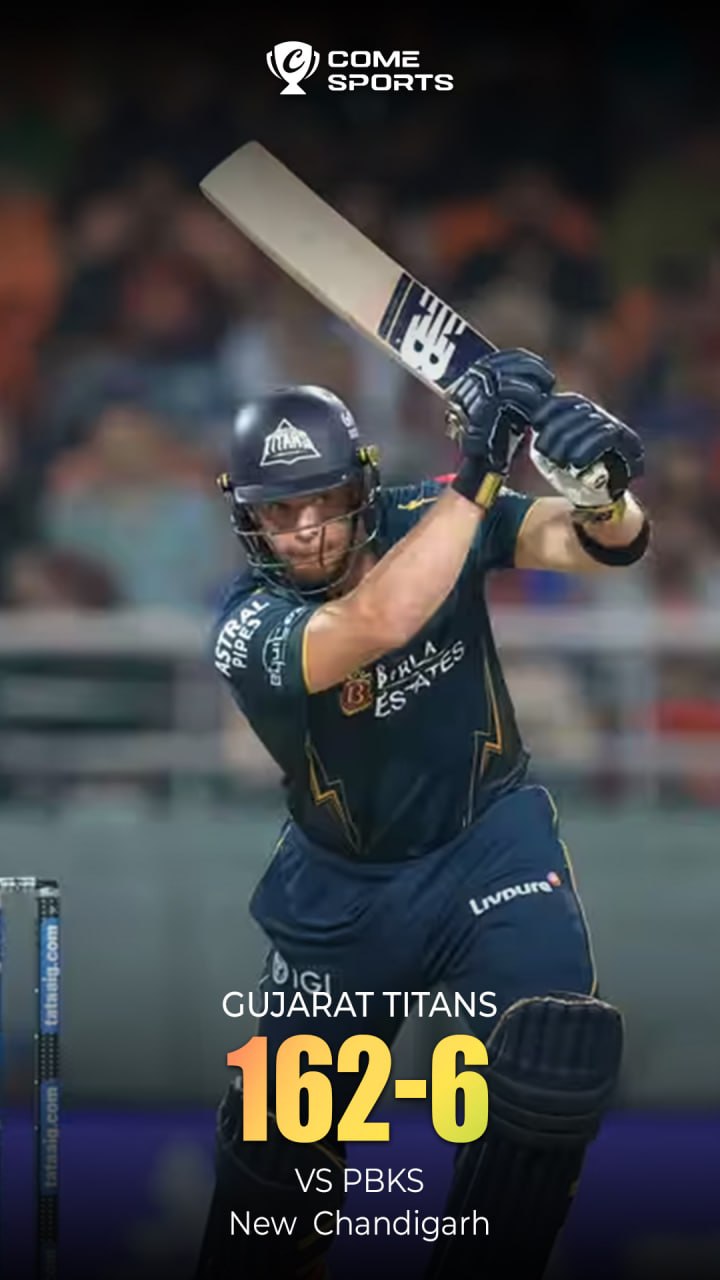
In the score graphic below, 162-6 means 162 runs with six wickets lost. The graphic illustrates a team-score field; the worked figures elsewhere in this article are separate examples.
Keep the example tied to the match state
The numbers here are worked examples, not a live score feed. A real match needs the current teams, innings, score, overs, target when applicable and status. Rain, completed innings and competition-specific rules can change how a simple example applies. Use the official match record for changing figures, and do not treat a saved graphic as a current update.
What a completed answer looks like
Use the target field rather than copying the opposition's total as the winning score.
For a changing match, check the official fixture or scorecard again before using an earlier calculation.
Choose another specific COME guide
Read the wider cricket and IPL guide